Flower Forest: A Whimsical Font for Botanical Design
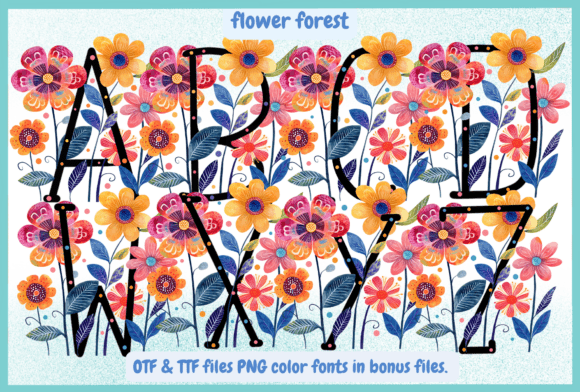
Imagine a typeface that doesn't just spell words but blooms with life, transforming every character into a miniature garden. This is the captivating power of the Flower Forest font, a design asset that brings unparalleled charm and visual storytelling to creative projects.
Understanding the Visual Impact of Floral Typography
In the realm of graphic design, typography is a fundamental pillar of visual communication. It conveys tone, establishes hierarchy, and shapes user experience. A specialized display font like Flower Forest moves beyond mere legibility to become a central design element. Each letter is meticulously crafted, interwoven with hand-painted flowers and foliage, creating a cohesive botanical alphabet. This isn't just a font; it's a comprehensive illustration system that injects instant personality and a joyful, nature-inspired aesthetic into any layout.
Its value lies in its ability to solve a common design challenge: how to quickly and effectively communicate a theme of freshness, growth, whimsy, or organic beauty. For designers, marketers, and creators, this translates to a powerful shortcut for establishing a strong visual narrative, saving valuable time in the design workflow while achieving a premium, custom look.
Practical Applications Across Creative Projects
The versatility of a well-designed thematic font allows it to shine across numerous applications. Flower Forest is particularly effective where a touch of elegance, playfulness, or seasonal appeal is desired.
- Branding and Logo Design: Ideal for boutique brands, florists, artisanal products, eco-friendly businesses, or children's brands seeking a friendly and approachable identity. It can serve as the primary wordmark or a complementary accent font.
- Packaging Design: Creates stunning shelf appeal for products like teas, cosmetics, seeds, gourmet foods, and stationery. The intricate details suggest quality and care.
- Marketing and Social Media Graphics: Grabs attention in digital ads, Instagram stories, and Pinterest pins. It's perfect for spring campaigns, event announcements, and creating visually cohesive content that stands out in a crowded feed.
- Editorial and Web Design: Adds a decorative touch to magazine headlines, blog headers, and landing page sections. When used sparingly, it enhances visual hierarchy and user engagement without compromising readability for body text.
- Invitations and Merchandise: From wedding invitations and greeting cards to T-shirts and tote bags, it lends a handmade, artistic quality that resonates with audiences seeking authenticity.
Integrating Thematic Assets into a Cohesive Design System
While a font like Flower Forest is a standout creative asset, its effectiveness depends on thoughtful integration. Successful design relies on balance and consistency. Here are key considerations for implementation:
- Establish Visual Hierarchy: Use this font for headlines, subheads, or key call-to-action phrases. Pair it with a clean, simple sans-serif or serif font for body text to ensure readability and create a pleasing contrast.
- Consider Color Palette: The font's inherent colors are a starting point. Extract complementary hues from the floral elements to build a cohesive color scheme for backgrounds, buttons, and other graphic elements, strengthening the overall brand identity.
- Evaluate Scalability: Test the font at various sizes. While designed for display purposes, ensure the intricate details remain clear in both large-scale print and smaller digital applications. This is crucial for maintaining a professional presentation.
- Align with Audience Expectations: Always consider the target user. A whimsical, decorative font is perfect for engaging a community around gardening or children's education but might be less suitable for a corporate finance report.
Ultimately, the most impactful designs are those where every element serves a purpose. Thoughtful typography selection is a critical component of this process. Choosing a high-quality, thematically aligned asset like Flower Forest can significantly elevate a project, transforming standard communication into a memorable visual experience. It demonstrates an attention to detail that resonates with audiences, strengthening brand perception and making creative work more effective and engaging.